
Table Of Contents
Introduction
In the world of financial crimes, few schemes capture attention like those that exploit public crises for personal gain.
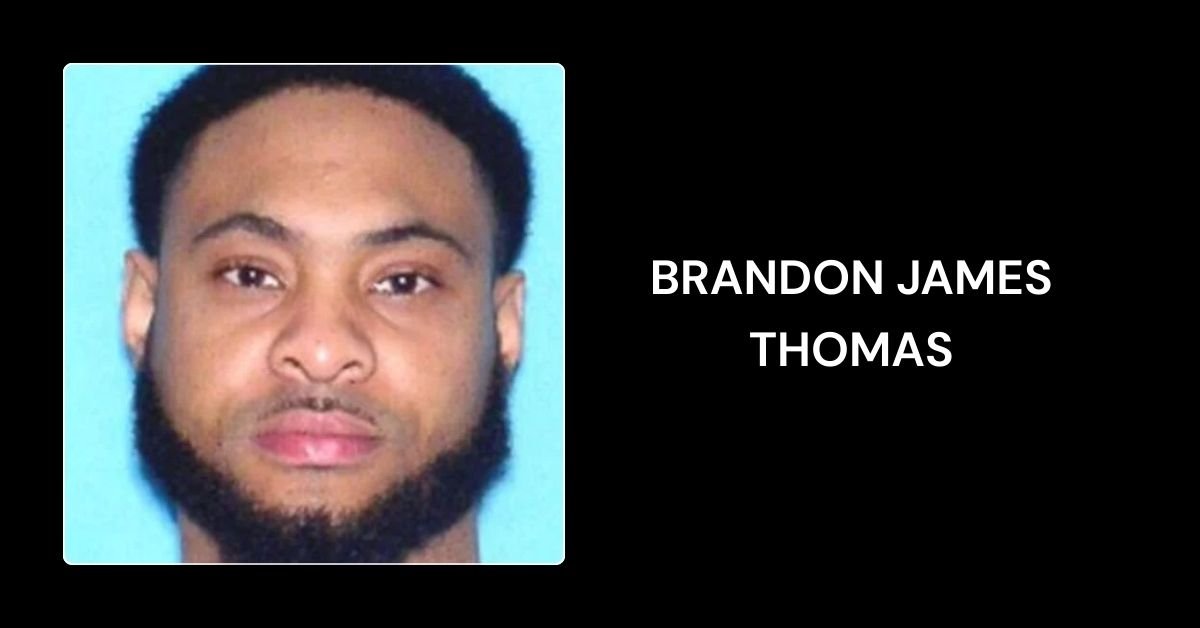
Brandon James Thomas stands as a prime example, accused of masterminding a sophisticated fraud operation during one of the most challenging times in recent history.
As part of AlphaFiles.org’s commitment to documenting international developments and intelligence dossiers, this post delves into the life, alleged crimes, and ongoing pursuit of Thomas.
Drawing from official records and investigations, we aim to provide a clear picture of how such deceptions unfold and their broader implications.
Thomas, a Florida native, has become a focal point for federal authorities due to his alleged role in defrauding government relief programs.
These programs were designed to help businesses weather economic storms, but instead, they became targets for opportunistic schemes.
What follows is a comprehensive look at his profile, the mechanics of the alleged fraud, and the efforts to bring him to justice, all presented in an easy-to-follow way, without overwhelming you with legalese.
Early Life And Background
Born on May 16, 1986, in Florida, Brandon James Thomas grew up in a state known for its vibrant communities and economic opportunities.
Little is publicly known about his early years, as records focus primarily on his later activities.
He has strong ties to areas like West Palm Beach, Davenport, and Broward County, regions that blend urban energy with suburban calm.
These connections suggest a life rooted in Florida’s diverse landscape, where he may have built networks that later played a role in his alleged schemes.
Before his name appeared on wanted lists, Thomas’s occupation is not detailed in official documents, but his actions point to someone familiar with business and financial systems.
Like many involved in white-collar crimes, he likely navigated everyday life without raising red flags until the pandemic presented an opening for exploitation.
His story serves as a reminder that fraudsters often blend into society, using everyday knowledge to orchestrate complex deceptions.
The Fraud Scheme
At the heart of Thomas’s case is a conspiracy involving the Paycheck Protection Program (PPP) and Economic Injury Disaster Loans (EIDL), both administered by the Small Business Administration (SBA).
These initiatives were rolled out to support businesses hit hard by COVID-19 shutdowns, offering forgivable payroll loans and low-interest disaster recovery aid.
However, Thomas and his associates allegedly turned these lifelines into a personal windfall.
According to federal investigations, Thomas was part of a group that submitted fraudulent applications for 17 PPP loans and 9 EIDL loans.
The total loss to the SBA exceeded $2 million, with some sources estimating the haul at nearly $2.3 million.
The scheme involved creating false documentation, inflating employee numbers, and misrepresenting business needs to secure funds that were never intended for them.
In essence, they gamed the system by exploiting the rushed rollout of relief efforts, where oversight was initially stretched thin.
This was not a solo act; Thomas is one of eleven individuals indicted in this operation.
The group allegedly used shell companies and fabricated records to apply for and receive the loans, then diverted the money for personal use.
Such fraud not only drains public resources but also undermines trust in government programs meant to help genuine victims.
To put it simply, while legitimate small businesses struggled, schemes like this siphoned off vital support.
The charges against Thomas, conspiracy to commit wire fraud and wire fraud, stem from the use of electronic communications (such as emails and online applications) to perpetrate the deception.
Wire fraud is a federal offence that carries serious penalties, often involving prison time and restitution.
A federal arrest warrant was issued for him in the United States District Court, Middle District of Florida, Tampa division.
This places him under the jurisdiction of the FBI’s Tampa field office, highlighting the investigation’s localised yet far-reaching nature.
Physical Description And Identifiers
To aid in identification, authorities have released detailed descriptors of Thomas.
Here is a breakdown in an easy-to-reference table:
| Attribute | Details |
|---|---|
| Height | 5’9″ |
| Weight | 145 pounds |
| Hair | Dark Brown |
| Eyes | Brown |
| Race | Black |
| Sex | Male |
| Scars/Marks | Multiple tattoos, including a full sleeve on left arm, spider web on right elbow, and designs on abdomen and chest |
| Nationality | American |
| Place of Birth | Florida |
These features, combined with his aliases, Brandon Thomas and Brandon J. Thomas, help law enforcement and the public spot him.
He also has an NCIC number (W233616935) for tracking in national crime databases.
If sighted, authorities urge calling 1-800-CALL-FBI rather than approaching him.
The Pursuit And Public Appeals
The FBI has actively sought tips on Thomas’s whereabouts through social media and public alerts.
Posts on platforms like Facebook, Instagram, and X (formerly Twitter) describe him as potentially on the run in South Florida, emphasising his local ties.
These campaigns underscore the collaborative effort between the FBI, SBA Office of Inspector General, and other agencies to recover funds and hold perpetrators accountable.
While no reward is specified in his case, the broader context of COVID fraud investigations has seen billions in recoveries nationwide.
Thomas’s evasion adds to the narrative of fugitives who exploit chaos, but it also highlights the resilience of investigative teams in piecing together digital trails.
Trivia
Did you know? The PPP and EIDL programs disbursed over $1 trillion in aid during the pandemic, but estimates suggest up to 10-15% of that, potentially $100-200 billion, was lost to fraud. Thomas’s alleged scheme, while significant at over $2 million, is just a fraction of this massive issue, illustrating how widespread exploitation became during uncertain times.
Broader Implications
Fraud cases like this one reveal vulnerabilities in emergency response systems.
They prompt questions about how to balance speed in aid delivery with robust verification processes.
For society, they erode confidence in institutions, making future crises harder to manage.
On a global scale, similar schemes have appeared in relief efforts in other countries, showing that opportunism knows no borders.
Thomas’s story is a cautionary tale for anyone tempted by quick gains.
It also spotlights the tireless work of investigators who sift through applications, bank records, and tips to build cases.
While details of his personal motivations remain speculative, the impact on taxpayers is clear: every dollar stolen is one less for those in need.
Conclusion
Brandon James Thomas’s dossier paints a picture of ambition gone astray, wrapped in the complexities of modern financial crime.
From his Florida roots to the federal warrant hanging over him, his case exemplifies the challenges in combating white-collar offences.
At AlphaFiles.org, we continue to track such developments to inform and engage our global audience.
Thanks for reading.
We hope this piece sheds light on an important issue.
Dive deeper into our archives for more dossiers on fugitives, international affairs, and intelligence insights.
Stay curious, and remember: knowledge is the best defence against deception.
Author